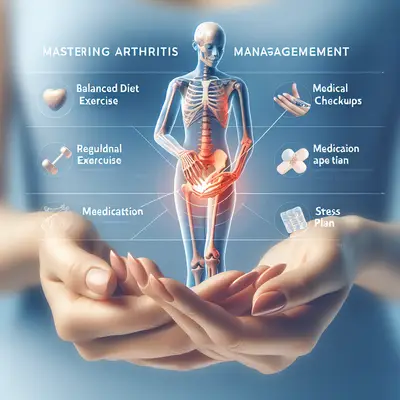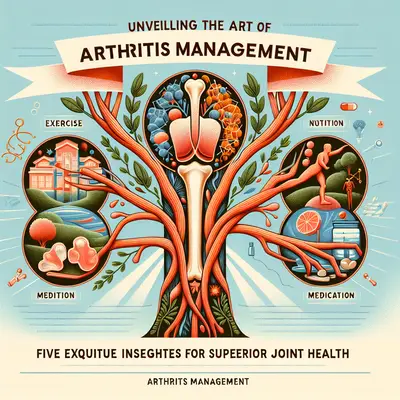
Arthritis may be common, but the way you approach it does not have to be. For those who value precision, comfort, and longevity in equal measure, arthritis management is less about “fighting pain” and more about architecting a life that quietly protects every movement. This is not a story of quick fixes; it is a refined strategy—attentive to nuance, guided by evidence, and tailored to a body you expect to perform beautifully for decades.
Below are five exclusive, often-overlooked insights that elevate arthritis care from basic symptom control to a curated, intelligent practice in joint preservation.
Rethinking Inflammation: Beyond “Good Food, Bad Food”
Conventional advice often reduces arthritis nutrition to generic lists: avoid sugar, eat more omega‑3s, add leafy greens. While directionally correct, this oversimplifies a deeply individual inflammatory profile.
A more discerning approach acknowledges that:
- Inflammation is not one-size-fits-all. Two people with osteoarthritis can respond differently to the same meal. For some, refined carbohydrates may be the chief trigger; for others, the culprit may be excess alcohol, late-night eating, or even inconsistent meal timing that disrupts metabolic rhythms.
- Glycemic control quietly shapes joint health. Elevated blood sugar promotes low-grade inflammation and can accelerate cartilage breakdown. Stable blood glucose—achieved through balanced meals, adequate protein, and fiber—can be as protective for joints as it is for the heart.
- Microbiome health intersects with joint comfort. Early research suggests that gut bacteria composition may influence systemic inflammation and some forms of inflammatory arthritis. A thoughtfully varied diet—rich in vegetables, lentils, fermented foods, and modest amounts of whole grains—may support a more favorable inflammatory environment.
- Precision matters more than perfection. Instead of universal bans, consider systematic experimentation: track specific meals, symptoms, sleep, and energy for two to four weeks. Patterns often emerge that are subtle but highly actionable.
- Quality, not novelty, is the true luxury. You do not need exotic ingredients; you need consistent, well-composed meals: clean proteins, abundant colorful plants, quality fats (olive oil, nuts, seeds, cold‑water fish), and minimal ultra‑processed foods.
In a refined arthritis strategy, food becomes less about restriction and more about calibration—fine-tuning what genuinely supports your joints, your energy, and your long-term resilience.
Joint Loading, Not Just “Exercise”: Training Cartilage With Intention
Standard advice says “stay active” or “do low-impact exercise.” Precise arthritis management asks a better question: how is your joint being loaded, and is that load intelligent?
Cartilage is not passive. It responds to movement, compression, and decompression in specific ways:
- Cartilage feeds on motion. Joint movement helps circulate synovial fluid, delivering nutrients to cartilage. Gentle, repeated loading (such as controlled squats, step-ups, or water-based resistance) can be more nourishing than sporadic, intense workouts.
- Alignment is your quiet insurance policy. Small deviations in knee, hip, or ankle alignment can dramatically change how force passes through a joint. Over time, that asymmetry can accelerate wear on already vulnerable areas. Thoughtful work with a physical therapist or skilled trainer can refine joint tracking—especially for knees, hips, and shoulders.
- Strength around the joint is non‑negotiable. Muscles and tendons absorb impact before it reaches cartilage. Underdeveloped quadriceps, glutes, and hip stabilizers can turn routine movements—like stairs or curbs—into micro-injuries over time.
- Joint‑specific “micro‑sessions” outperform occasional marathons. Ten minutes of intentional, joint-focused work—mobility plus strength—performed daily or almost daily can be more effective than a single weekly hour of generic exercise.
- Your “no” list should be functional, not fearful. The goal is not to avoid movement but to avoid poorly controlled movement. Often, activities like gentle hiking, cycling, Pilates, or resistance training become safe and beneficial once alignment, technique, and workload are properly calibrated.
Think of your joints as a finely engineered system: they require regular, intelligent loading to stay responsive. Movement is not merely “allowed” in arthritis; it is a sophisticated tool that, when applied with precision, actively shapes your trajectory.
Medication With Intention: Designing a Thoughtful Pain Strategy
Pain relief is often treated as an afterthought—something to reach for when discomfort becomes disruptive. A more elevated approach treats medication as part of a broader, elegant strategy for long-term joint protection.
Key distinctions matter:
- Pain control is not indulgence; it is preservation. Unmanaged pain leads to guarded movement, muscle loss, poor sleep, and social withdrawal—all of which degrade joint function and overall health. When used wisely, pain relief enables the very behaviors (movement, sleep, engagement) that protect your joints over time.
- Timing is as important as dosage. Aligning medication with your life—mornings before key activities, or in the late afternoon to preserve evening engagement—can minimize overall dose while maximizing benefit.
- Topicals and targeted therapies are often underutilized. Topical NSAIDs and certain localized treatments can deliver relief with fewer systemic effects than oral medications. For many, this provides a refined middle ground between “nothing” and “strong pills.”
- Disease-modifying treatments deserve serious attention. For inflammatory arthritides such as rheumatoid arthritis or psoriatic arthritis, modern therapies (including biologics and targeted synthetic agents) do more than ease pain; they can slow or halt joint damage. The decision to start or escalate these medications is nuanced and best handled in partnership with a rheumatologist—early and proactively, not as a last resort.
- Your medication plan should evolve as you do. Stress, travel, seasonal changes, or new activities may temporarily change your pain landscape. A premium approach to arthritis includes a flexible plan—developed with your clinician—that anticipates higher‑demand days, flare periods, and quieter seasons.
The difference between “taking something for the pain” and a sophisticated pain strategy is intention. The former reacts; the latter anticipates, protects, and supports a life still rich in movement and choice.
The Hidden Architecture of Recovery: Sleep, Nervous System, and Joint Calm
Sleep advice is often generic—“get eight hours”—yet for arthritis, the quality and character of rest deeply influence how joints feel.
A refined lens reveals a more intricate picture:
- Pain and sleep form a feedback loop. Poor sleep heightens pain sensitivity; heightened pain disrupts future sleep. Breaking this loop is one of the most leveraged interventions in arthritis management.
- Nervous system tone modulates pain perception. Chronic stress maintains a state of subtle hyper‑alertness that can amplify pain signals. Practices that reduce nervous system activation—such as slow nasal breathing, gentle stretching before bed, or a brief meditation—may reduce pain intensity without any change in joint structure.
- Nighttime positioning is not trivial. The angle of your hips, knees, shoulders, and neck can determine the quality of your sleep. Thoughtfully chosen pillows, side-sleep support between the knees, or a small towel roll under the neck can turn fragmented nights into restorative ones.
- Evening “wind‑down hygiene” is an analgesic by proxy. Dimmer lights, reduced screen glare, light reading, or soothing audio can create a predictable pre-sleep ritual. Your nervous system learns to interpret these cues as “safe,” which supports deeper sleep and lowers overnight pain perception.
- Recovery belongs on your calendar, not just in theory. Just as you schedule meetings or workouts, scheduling your decompression—whether it is an evening walk, ten minutes of stretching, or a warm bath—elevates recovery from wishful thinking to a consistent practice.
Arthritis management is not just about what you ask your joints to do during the day; it is equally about the recovery environment you create for them at night.
Designing a Life That Cooperates With Your Joints, Not Competes With Them
The final insight is perhaps the most understated: excellence in arthritis management is less about heroic effort and more about smart environmental design.
Elegant joint care often looks like this:
- Frictionless movement woven into the day. Strategically placed step stools, stable handholds on frequently used stairs, or well‑chosen footwear transform your home and workplace into allies instead of obstacles.
- Subtle ergonomic decisions with outsized impact. Chair height, desk setup, and the handles you choose (lever vs. round knobs, lightweight cookware, pens with larger grips) can dramatically reduce strain on small joints without feeling clinical or “medicalized.”
- Energy as a resource, not a given. Thoughtful pacing—alternating more demanding tasks with lighter ones, breaking projects into intervals—reduces the spikes in joint stress that often come from marathon sessions of cleaning, gardening, or computer work.
- Social architecture that supports, not pressures. Communicating your boundaries clearly—preferring a walk on level ground over a steep hike, or a shorter dinner rather than a late night—preserves both relationships and joints. True refinement is the confidence to choose what serves you long term.
- A long-range perspective on mobility. Instead of asking, “Can I do this today?” shift to “Will doing this this way allow me to move freely five years from now?” That question subtly changes how you lift luggage, which shoes you buy, and which hobbies you lean into or adapt.
The most successful arthritis strategies are rarely dramatic. They are quiet, consistent, and thoughtfully embedded into the way you live, work, rest, and connect. They transform arthritis from a constraint into a design challenge—one that, when approached with care and discernment, can lead to a lifestyle that is both protective and deeply fulfilling.
Conclusion
For those who see health as a long-term, high-value investment, arthritis management is not just about “coping” with joint changes. It is an opportunity to curate a life in which each decision—what you eat, how you move, how you recover, and how you design your spaces—subtly supports your joints.
The five insights above—precision in inflammation, intelligent joint loading, intentional medication strategies, elevated recovery practices, and thoughtful life design—move arthritis care beyond basic advice into a realm of quiet mastery. You may not control every aspect of your diagnosis, but you can absolutely control the sophistication of your response. Over time, that difference is not subtle at all.
Sources
- Centers for Disease Control and Prevention – Osteoarthritis – Overview of osteoarthritis, risk factors, and management strategies
- Arthritis Foundation – Managing Your Pain – Evidence-based guidance on pain control, medications, and lifestyle choices
- Harvard Health Publishing – Foods that fight inflammation – Discussion of dietary patterns and inflammation with relevance to arthritis
- Mayo Clinic – Rheumatoid Arthritis Treatment – Detailed review of modern disease-modifying therapies and treatment strategies
- Johns Hopkins Medicine – Sleep and Chronic Pain – Explores the bidirectional relationship between sleep quality and pain perception
Key Takeaway
The most important thing to remember from this article is that this information can change how you think about Arthritis Management.