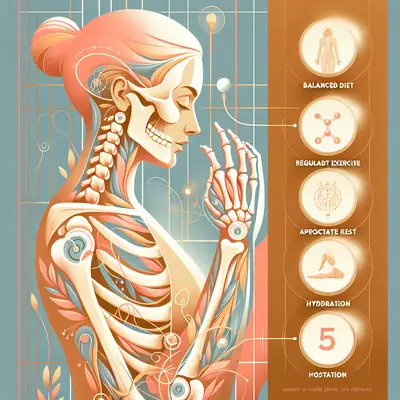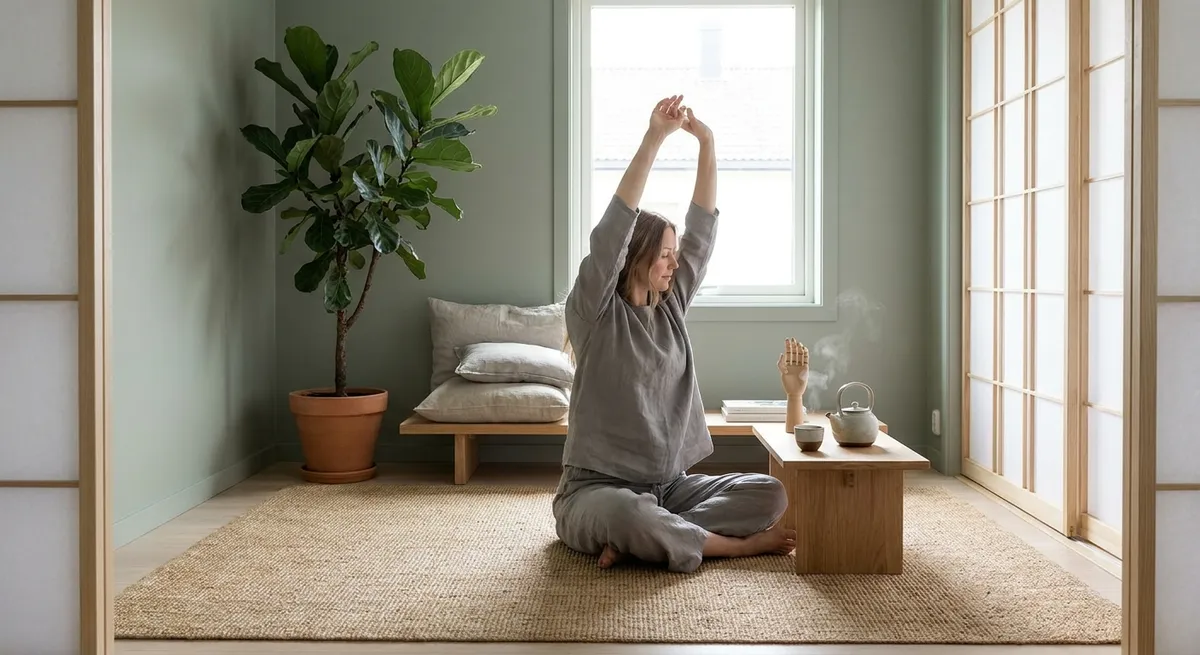
Healthy living is often reduced to calories, step counts, and generalized advice. Yet for those who view their body as an asset to be preserved, not merely managed, joint health becomes a central lens for every lifestyle choice. How you sleep, the texture of the foods you select, the shoes you wear at home, even the way you transition from sitting to standing—all of it quietly informs how your joints age.
This is not about perfection. It is about refinement: subtle, sustained decisions that help your joints feel quietly supported rather than constantly negotiated with. Below are five exclusive, often-overlooked insights for those who value long-term ease and performance as much as aesthetics and vitality.
1. Treat Cartilage Like Fine Fabric: Reduce “Friction Moments” in Your Day
Cartilage has no direct blood supply; it depends on the rhythmic compression and release of movement to draw in nutrients from joint fluid. Think of each joint as upholstered in a fine, delicate fabric. Repeated sharp creases—abrupt impacts, awkward twists, jarring landings—create micro-wear that may not scream in the moment but accumulates over years.
Instead of only focusing on workouts, examine the “friction moments” in your day:
- Do you drop into chairs, or lower yourself with control?
- Do you hop off curbs or stairs, or step down with intention?
- Do you twist to grab items from the back seat, or pivot your whole body?
Micro-adjustments here matter. Lower your body as though you’re wearing a tailored suit you don’t want to wrinkle. When descending stairs, think “quiet feet”: land softly, use the rail as a subtle stabilizer, and resist locking your knees. When lifting, organize your body first—feet planted, spine long, core lightly engaged—then move.
Over time, this refined approach to everyday mechanics can create a markedly different trajectory for how your hips, knees, and spine feel at 50, 60, and beyond. You are not merely preventing pain; you are preserving the elegance of how you move through space.
2. Curate an Anti-Inflammatory Plate with Texture, Not Restriction
For joint-focused living, what you eat is less about a list of forbidden items and more about an intelligent, intentional curation. Low-grade systemic inflammation can subtly fuel joint discomfort and stiffness, even in the absence of overt arthritis. The solution is not to chase the latest “anti-inflammatory” buzzword, but to think in terms of a refined, textural diet:
- Prioritize soft but structurally dense foods—such as lentils, chickpeas, and steel-cut oats—that provide sustained energy without the spikes associated with ultra-processed carbohydrates.
- Add color with deep-hued plants: berries, dark leafy greens, purple cabbage, beets. These are rich in polyphenols and antioxidants that support tissue resilience.
- Incorporate omega-3–rich sources (salmon, sardines, mackerel, walnuts, chia seeds) that help modulate inflammatory pathways linked to joint health.
- Use high-quality fats—extra-virgin olive oil, avocado, nuts—as a “finish” on meals to stabilize blood sugar and enhance absorption of fat-soluble nutrients.
Equally important is how you structure your meals. Large, erratic, late-night dinners can disrupt sleep and recovery, indirectly affecting joint comfort. Aim for meals that leave you lightly satisfied, not heavy. Think of your plate as a composed dish: protein, fiber, healthy fat, and color in every sitting, with minimal reliance on refined sugars or white flours.
This is not austerity; it is quiet luxury in nutritional form—understated, deeply considered, and powerfully supportive of joint longevity.
3. Design Your Home as a Subtle Joint-Sparing Environment
Healthy living for your joints is not confined to your gym or yoga mat. The environment you move through every day can either protect your joints or slowly undermine them.
Consider a few targeted upgrades:
- Floor surfaces: Hard tile and unyielding stone can be unforgiving. Strategically placed rugs or padded mats in high-use areas like the kitchen and bathroom can reduce impact on knees, hips, and lower back.
- Seating height: Very low sofas and deep lounge chairs may look inviting but can be demanding for knees and hips when rising. Aim for seating where your knees are roughly at hip level or slightly below, allowing you to stand without excessive strain or momentum.
- Task placement: Store regularly used items between mid-thigh and shoulder height to avoid repetitive bending or overhead reaching that stresses the spine and shoulders.
- Footwear indoors: Bare feet on hard floors may not be ideal if you have joint sensitivity. Opt for supportive, cushioned house shoes or sandals with a stable sole and gentle arch support.
Think of your home as a private wellness studio disguised as a living space. Every adjustment—no matter how small—reduces daily joint “noise” so your body can allocate more resources to repair, resilience, and performance. Over weeks and months, that quietness in the background begins to feel like a new baseline.
4. Prioritize “Transitional Strength”: The Hidden Layer Between Flexibility and Power
Most people divide their efforts into two categories: flexibility and strength. What is often missing is the elegant, in-between layer—transitional strength. This is the ability to move smoothly through the mid-range of motion while maintaining control, alignment, and joint integrity. It is where many injuries occur and where many joints feel most vulnerable.
To cultivate transitional strength for joint health, focus on:
- Slow tempo movements: Practice controlled sit-to-stands from a chair, step-downs from a low platform, or lunges that emphasize the lowering phase more than the rising.
- End-range awareness: Instead of collapsing into your deepest stretch, pause just before your limit and hold with mild tension, teaching the joint to feel safe and supported there.
- Single-leg and unilateral work: Gentle, supported single-leg balances, light one-arm rows, or single-leg bridges train the hips, knees, and ankles to stabilize under asymmetrical load—essential for real-life movement.
- Rotational control: Incorporate slow, deliberate rotations through the thoracic spine and hips (e.g., controlled torso twists, hip circles) to protect against sudden, uncontrolled torque.
You’re not chasing soreness or fatigue; you’re cultivating refinement in motion. Even 10–15 minutes a day of transitional-strength practice can dramatically alter how stable and confident your joints feel during stairs, travel, or an impromptu activity.
5. Approach Sleep as Your Daily Joint Regeneration Ritual
Sleep is where much of the body’s repair and restoration occurs, and joints are no exception. Inadequate or poor-quality sleep may heighten pain sensitivity, increase systemic inflammation, and blunt the body’s capacity to recover from daily micro-stressors on cartilage, tendons, and ligaments.
Elevate your approach to sleep with joint health in mind:
- Mattress firmness: Aim for a surface that supports spinal alignment without creating pressure points at shoulders and hips. Many do best with a medium-firm surface that gently conforms without letting the body sag.
- Pillow strategy: For side sleepers, a pillow between the knees can keep the hips and lower back in better alignment; for back sleepers, a small pillow under the knees can reduce strain on the lumbar spine.
- Pre-sleep decompression: Ten minutes of deliberate unwinding—gentle spinal rotations, supported child’s pose, or light calf and hip stretches—signals the nervous system to downshift and allows muscles to release unnecessary tension around joints.
- Consistent rhythm: Going to bed and waking up at roughly the same times each day reinforces hormonal patterns that support tissue repair and inflammation control.
Approach sleep as the most exclusive recovery treatment in your routine: it costs nothing, cannot be rushed, and pays compounding dividends for joint comfort and overall vitality. When you protect your sleep with the same seriousness you might reserve for a high-end treatment or specialist visit, your joints often respond in kind.
Conclusion
Healthy living, when viewed through the lens of joint health, becomes less about chasing trends and more about cultivating a quiet, enduring foundation. How you lower yourself into a chair, the textures and colors on your plate, the subtleties of your home design, the way you transition between positions, and the care you bring to your nights—these are not trivial details. They are the architecture of long-term ease.
You do not need dramatic overhauls or rigid rules. What you need is a series of thoughtful, repeatable choices that respect your joints as the silent partners in everything you value: presence, independence, performance, and grace. Treat them with that level of regard, and they will often carry you—quietly, faithfully—far longer than you think.
Sources
- Harvard Health Publishing – Joint Health: Keep Your Joints Healthy – Overview of lifestyle strategies to maintain joint function and reduce wear over time
- Arthritis Foundation – The Inflammation Connection – Explores how diet and systemic inflammation influence joint symptoms and long-term joint health
- National Institute of Arthritis and Musculoskeletal and Skin Diseases (NIAMS) – Handout on Joint Health – Evidence-based guidance on protecting joints through activity, body mechanics, and overall lifestyle
- Johns Hopkins Medicine – The Link Between Sleep and Pain – Discusses how sleep quality affects pain perception and recovery, relevant for those managing joint discomfort
- Mayo Clinic – Exercise and Chronic Disease: How to Build Strength Safely – Offers principles for strength and functional training that support joint stability and gradual progression
Key Takeaway
The most important thing to remember from this article is that this information can change how you think about Healthy Living.