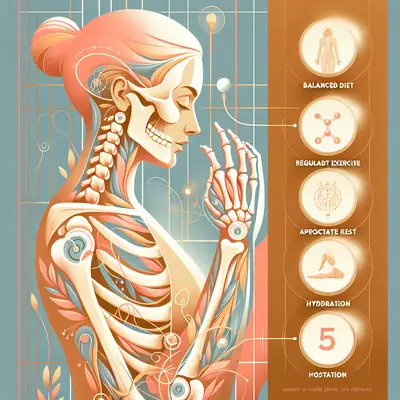
Healthy living, when viewed through the lens of joint health, is less about dramatic overhauls and more about exquisitely subtle choices—how you sit, how you breathe, how you load your skeleton across the day. Joints do not demand perfection; they respond to thoughtful consistency. This is the quiet art of fluid living: designing a lifestyle in which movement, rest, and nourishment conspire to protect the delicate architecture of cartilage, ligaments, and bone with understated precision.
Below are five exclusive, elevated insights for those who see joint health not as damage control, but as a lifelong investment in graceful capability.
1. Micro-Movements: The Discreet Architecture of All-Day Mobility
Most people think of joint care as a scheduled workout; your joints experience it as a 16-hour posture. Micro-movements—barely noticeable shifts, subtle joint rotations, and low-load changes of position—are the missing layer in many “healthy” routines.
When you remain still, synovial fluid (the joint’s natural lubricant) circulates poorly, and cartilage receives fewer nutrients. Frequent, gentle movement acts like an elegant irrigation system, circulating fluid and easing stiffness. A standing meeting becomes an opportunity to slowly roll through your ankles; time at your desk can include graceful shoulder circles, gentle neck glides, or a seated hip tilt every few minutes.
The aim is not exertion but fluidity. Set a discreet timer or use an app to cue a 30-second micro-move routine every 30–45 minutes: open and close your hands fully, flex and point your feet, shift from one hip to the other, or stand and elongate your spine. Over months and years, this “movement wallpaper” subtly rewrites your joint history.
2. Load Intelligence: Training Your Joints, Not Just Your Muscles
Healthy living often celebrates strength or cardio benchmarks, yet joints are most protected by how you carry load, not just by how much you can lift or how far you can run. “Load intelligence” means cultivating an instinctive respect for the forces traveling through your joints with every task.
Instead of chasing maximal resistance, focus on joint-aligned strength: exercises that keep the knee tracking in line with the second toe, the hips stable, and the spine long. Thoughtful progression is crucial—add resistance or volume gradually, giving cartilage and connective tissue time to adapt. This is especially vital for weight-bearing joints like hips, knees, and ankles.
In daily life, load intelligence might mean distributing groceries between two bags instead of one; pulling luggage rather than twisting to carry it; or bending through the hips and knees with a neutral spine when lifting a child. These are subtle upgrades that preserve joint surfaces over decades. Think of it as mechanical etiquette for the body: clean lines, aligned angles, and deliberate force paths.
3. Precision Nutrition: Supporting Cartilage with Quiet Consistency
Joint-conscious nutrition is not about a single “miracle” food or supplement; it is a long game of reducing low-grade inflammation and feeding the tissues that keep joints resilient. The foundation is deceptively simple: abundant colorful vegetables and fruits, adequate high-quality protein, and healthy fats that support anti-inflammatory pathways.
Omega-3 fatty acids from sources like salmon, sardines, mackerel, walnuts, and flaxseeds can modestly reduce inflammatory processes that affect joints. Adequate protein, spread across the day, underpins the repair and maintenance of muscle and connective tissue that protect joints. Minerals like magnesium and calcium, alongside vitamin D, support bone health and proper muscle function, providing a stable frame for each articulation.
Beyond these fundamentals, a premium approach emphasizes consistency over novelty: a daily cadence of hydrating fluids, minimal ultra-processed foods, and mindful alcohol intake. Rather than obsessing over the latest supplement trend, think like a curator—select a few evidence-informed essentials (as advised by your clinician) and sustain them over time. It is the quiet repetition, not the occasional “perfect” day, that nourishes your joints.
4. Rest as a Structural Reset: How Sleep and Recovery Rebuild Your Joints
Healthy living often glamorizes productivity; joint health thrives on strategic stillness. During restorative sleep, the body undertakes essential repair work—regulating inflammation, modulating pain perception, and supporting tissue recovery. For joints, quality sleep is not indulgent; it is structural maintenance.
A refined joint-care routine includes a sleep environment that respects alignment. Consider the height of your pillow, the firmness of your mattress, and your favored sleep position. Side sleepers may benefit from a pillow between the knees to keep hips and spine aligned; back sleepers might use a small pillow under the knees to reduce lumbar strain. These small adjustments can lessen overnight stress on joints and morning stiffness.
Recovery is not just night-time; it is also how you taper intensity across the week. Alternating higher-impact days with lower-impact, joint-gentle activities—such as swimming, cycling, or walking on forgiving surfaces—allows cartilage and connective tissues to recover. Think of your week as a composition, with louder notes of effort balanced by quiet intervals of restoration.
5. Environmental Elegance: Designing Spaces That Protect Your Joints
We often focus on the body and overlook the stage on which it moves: our homes, offices, and urban environments. For someone invested in joint health, the spaces you inhabit can be intentionally designed to reduce unnecessary strain and invite graceful motion.
At home, this might mean elevating frequently used items to waist or chest height to avoid constant deep bending or awkward twisting. Choose chairs that allow your hips and knees to form approximately 90-degree angles, with feet fully supported. Soft, supportive rugs in high-traffic areas can ease impact on hips, knees, and ankles.
In the office, an ergonomic chair, adjustable desk, and monitor at eye level help align the cervical, thoracic, and lumbar spine, reducing compensatory patterns that burden shoulders, hips, and knees. In the city, opting for shoes with both aesthetic refinement and well-constructed support, and seeking routes with more even pavement, subtly shields weight-bearing joints.
Think of this as environmental choreography: arranging your world so that every reach, step, and sit is just a bit kinder to your joints than it was yesterday.
Conclusion
Living well with healthy joints is not a single dramatic decision—it is the artful accumulation of micro-movements, intelligent loading, nuanced nutrition, truly restorative rest, and quietly supportive environments. When these elements are woven into your daily life, joint care ceases to feel clinical and begins to feel like a refined personal standard.
Fluid living is not about avoiding age or exertion; it is about moving through both with elegance. Your joints remember every pattern you repeat. Choose patterns that allow you to step into each decade with poise, strength, and unhurried ease.
Sources
- Arthritis Foundation – Joint-Friendly Lifestyle Tips - Practical, evidence-informed guidance on movement, sleep, and daily habits that support joint health
- Mayo Clinic – Joint Pain and Self-Care - Overview of conservative strategies to reduce joint stress and manage discomfort
- Harvard T.H. Chan School of Public Health – Anti-Inflammatory Diet - Explains dietary patterns that help modulate inflammation relevant to joint health
- National Institute of Arthritis and Musculoskeletal and Skin Diseases (NIAMS) - Government-backed information on maintaining healthy joints and preventing joint problems
- Cleveland Clinic – Exercise and Joint Health - Details how to use physical activity and load progression to protect and strengthen joints
Key Takeaway
The most important thing to remember from this article is that this information can change how you think about Healthy Living.