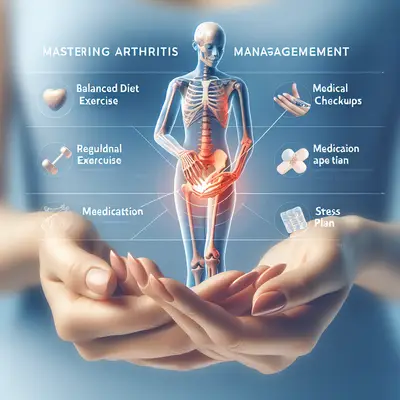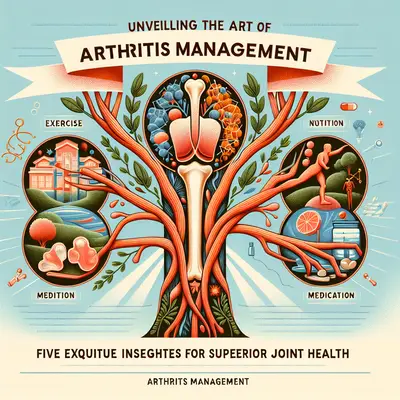
Arthritis need not define the cadence of your days. With the right strategy, it can instead become a condition you manage with precision—quietly, intelligently, and on your own terms. This is not about quick fixes or generic advice; it is about cultivating an elevated, evidence-informed way of living that protects your joints, preserves your independence, and honors your long-term wellbeing. Below, you’ll find five exclusive, often-overlooked insights that sophisticated health seekers use to stay ahead of arthritis, rather than react to it.
Rethinking “Rest”: The Art of Strategic Recovery, Not Sedentary Living
Many people respond to joint pain by defaulting to rest, assuming stillness equals healing. In reality, with arthritis, prolonged inactivity can accelerate stiffness, weaken supporting muscles, and diminish overall function. The key distinction is between strategic recovery and chronic sedentariness.
Strategic recovery treats rest as a tool, not a lifestyle. It might look like alternating 20–30 minutes of light movement with short intervals of offloading (using a footstool, reclining, or gentle stretching), rather than collapsing into the sofa for hours. It means reducing impact, not abandoning movement altogether—replacing long runs with water-based exercise, reformer Pilates, or slow incline walks that lubricate joints without punishing them.
This approach also asks you to refine how you rest: elevating swollen joints with intention, using cold packs or contrast therapy at specific times of day, and planning “recovery appointments” into your schedule just as you would a meeting. Rest becomes an active choice, orchestrated to preserve mobility rather than quietly erode it.
Precision Loading: Training Muscles to Shield Your Joints
Arthritis management is often framed as avoiding pain triggers, yet elite joint care is as much about what you strengthen as what you skip. Precision loading is the practice of deliberately training the muscles that stabilize arthritic joints, using carefully calibrated resistance rather than generic workouts.
For the knees, this may involve slow, controlled quadriceps and glute strengthening (such as wall sits, glute bridges, and step-ups onto a low platform), executed in a pain-moderate—not pain-free, not pain-excessive—zone. For the hands, it can include isometric grip work with therapy putty, or light resistance bands that build endurance in the small stabilizing muscles without provoking flare-ups.
What sets precision loading apart is its attention to micro-adjustments: changing foot angles during squats, using a slightly higher chair, holding onto a rail, or shortening your range of motion to stay within a comfortable arc. The goal is not athletic performance; it is building a muscular “exoskeleton” that spares your joints from unnecessary force. Over months, this style of training can translate into easier stair-climbing, more secure balance, and greater confidence in everyday movement.
The Timing Advantage: Aligning Medication, Movement, and Meals
An understated hallmark of sophisticated arthritis management is attention to timing. It is not only what you do, but when you do it that refines your level of comfort.
For those using arthritis medications—whether over-the-counter NSAIDs or prescription DMARDs and biologics—there is often a timing pattern that optimizes relief. Collaborating with your rheumatologist or primary physician to align dosing with your daily rhythm (for example, taking certain medications earlier to ease morning stiffness, or scheduling injections well before high-demand days) can transform how you experience your condition.
Similarly, planning your movement around your body’s natural fluctuations can be quietly powerful. Many people with inflammatory arthritis are stiffest in the morning, yet a warm shower followed by 10–15 minutes of gentle joint mobility before breakfast can radically change comfort levels for the rest of the day. Aligning your more demanding tasks—long walks, errands, work meetings—within your “comfort window” rather than pushing through your lowest points enhances both performance and protection.
Even your meals can follow this refined structure. Some find that heavier, high-sodium or alcohol-heavy dinners worsen next-day joint swelling. In response, they shift richer meals to earlier in the day, reserve evening for lighter, anti-inflammatory options (such as fish, olive oil, fiber-rich vegetables, and berries), and ensure steady hydration. This is arthritis management as choreography—coherent, intentional, and personalized.
The Micro-Environment of Your Joints: Curating Everyday Surfaces and Tools
While most advice focuses on the body, those who excel at long-term arthritis management pay meticulous attention to their environment. Surfaces, tools, and small design choices can quietly determine whether your joints are constantly irritated or subtly supported.
Consider the surfaces you stand and walk on most: unyielding tile, low-quality carpeting, or thin-soled shoes can amplify joint load with each step. Upgrading to shock-absorbing insoles, supportive shoes with stable midsoles, and placing anti-fatigue mats in high-use areas (the kitchen sink, standing desk, or workshop) creates a micro-environment that honors your joints all day long.
Similarly, curated tools matter: a lightweight cordless vacuum rather than a heavy upright to push; ergonomically designed kitchen knives with wide, soft handles; lever door handles instead of round knobs that strain painful fingers; a raised toilet seat or shower bench to reduce deep bending. None of these changes cure arthritis—but together, they convert your home and workspace into a quiet ally instead of an invisible antagonist.
This level of refinement extends to your digital life as well. Voice-to-text functions, ergonomic keyboards, trackpads, and stylus pens can ease strain on small joints if typing or swiping ignites pain. The sophisticated approach is not to tolerate daily friction, but to progressively design it out.
Emotional Mastery and Arthritis: Calming the Nervous System to Calm the Joints
Arthritis is often discussed as a purely mechanical or inflammatory issue, yet the nervous system is an understated amplifier. Stress, poor sleep, and unaddressed anxiety can heighten pain sensitivity, intensify flare-ups, and diminish your ability to self-manage. Emotional mastery is not about denying your discomfort; it is about cultivating a nervous system environment that keeps your pain response more measured and less reactive.
Elevated arthritis management includes deliberately practicing techniques that dampen chronic stress signals: unhurried diaphragmatic breathing, guided body scans before sleep, or short daily rituals of progressive muscle relaxation. These practices do not replace medication or physical therapy, but they can reduce the “volume” of pain by calming brain regions that interpret and amplify sensory signals.
Many people also benefit from structured psychological support—cognitive behavioral therapy (CBT), pain reprocessing therapy, or mindfulness-based stress reduction. These approaches help reframe catastrophic thoughts (“This pain will only get worse,” “I’ll lose my independence”) into more neutral, realistic narratives. Over time, this reduces the emotional sting of a flare, improves adherence to movement and medication routines, and protects your overall quality of life.
Emotional mastery is, in essence, joint protection at the neurological level. By tending to your inner climate, you give your body a more stable backdrop against which to heal, adapt, and endure.
Conclusion
Refined arthritis management is less about dramatic interventions and more about thoughtful consistency—strategic rest instead of inactivity, targeted strength instead of generic exercise, timing that respects your biology, environments that defend your joints, and emotional tools that stabilize your nervous system. Each of these insights, on its own, is subtle. Together, they create a higher standard of daily living with arthritis: one that prizes comfort, autonomy, and quiet control over your condition. Arthritis may remain a part of your story, but it no longer has to dictate the narrative.
Sources
- [Centers for Disease Control and Prevention – Arthritis Basics](https://www.cdc.gov/arthritis/basics/index.html) - Overview of arthritis types, risk factors, and management strategies
- [National Institute of Arthritis and Musculoskeletal and Skin Diseases (NIH) – Handout on Health: Osteoarthritis](https://www.niams.nih.gov/health-topics/osteoarthritis) - Detailed discussion of osteoarthritis symptoms, treatments, and lifestyle approaches
- [Arthritis Foundation – Exercise and Arthritis](https://www.arthritis.org/health-wellness/healthy-living/physical-activity) - Evidence-based guidance on physical activity and joint-friendly movement
- [Mayo Clinic – Rheumatoid Arthritis: Management and Treatment](https://www.mayoclinic.org/diseases-conditions/rheumatoid-arthritis/diagnosis-treatment/drc-20353653) - Clinical insights into rheumatoid arthritis medications, timing, and comprehensive care
- [Harvard Health Publishing – Mindfulness and Pain](https://www.health.harvard.edu/pain/mindfulness-meditation-can-ease-chronic-pain) - Exploration of mindfulness and psychological strategies for chronic pain management
Key Takeaway
The most important thing to remember from this article is that this information can change how you think about Arthritis Management.