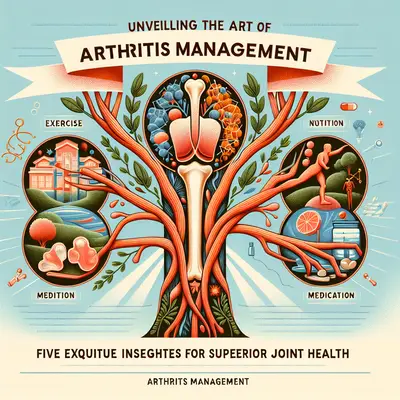
Arthritis does not simply alter joints; it reshapes how you inhabit your day. For the discerning individual who values performance, elegance, and longevity, management must go far beyond coping with pain. It becomes a quiet, deliberate blueprint: how you move, what you consume, how you rest, and the standards you hold for your own care.
This guide distills arthritis management into a sophisticated, sustainable approach—anchored in evidence, but elevated by attention to nuance. At its core are five exclusive insights that reward those who look beyond quick fixes and toward long-term joint resilience.
Precision Over Intensity: Rethinking “Good” Movement
For many, exercise is framed as intensity, metrics, and sweat. For arthritis, that logic often backfires. Precision is the new luxury.
Biomechanically sound movement distributes load more intelligently across joints, protecting cartilage, tendons, and ligaments from cumulative microtrauma. Low-impact options such as Pilates, tai chi, and controlled resistance work are not “less than” more aggressive workouts; they are often more advanced, because they demand deliberate control, muscular balance, and joint alignment.
Small refinements matter: the angle of your knees during a squat, the way your foot contacts the ground, the subtle engagement of your core when you lift a bag or climb stairs. These micro-adjustments, performed thousands of times over months and years, determine whether an arthritic joint remains stable or slowly degrades.
Consider working with a physical therapist or movement specialist at least once to “audit” your daily motions: how you get out of a car, descend stairs, stand from a low sofa, or carry groceries. This kind of movement curation—swapping careless patterns for precise mechanics—is one of the most underused tools in arthritis management, and one of the most powerful.
Curated Inflammation: Elevating Your Anti-Inflammatory Strategy
Inflammation is not simply a feeling; it is a biochemical environment. For joints already under structural strain, that environment becomes decisive. Instead of generic advice to “eat healthy,” adopt an intentionally curated anti-inflammatory strategy.
At the foundation: a Mediterranean-style pattern—abundant vegetables, fruits, extra-virgin olive oil, nuts, seeds, legumes, whole grains, and regular intake of fatty fish such as salmon, sardines, or mackerel. These foods are rich in polyphenols and omega‑3 fatty acids that modulate inflammatory pathways and may reduce symptom severity in conditions like rheumatoid and osteoarthritis.
Then refine further. Audit ultra-processed foods, added sugars, and excessive alcohol—particularly cocktails combining sugar and spirits, which can amplify inflammatory cascades and affect sleep quality. Replace them with deliberate “joint-conscious luxuries”: a small handful of walnuts with dark chocolate, sparkling water with citrus and herbs, or a beautifully composed salad dressed generously with extra-virgin olive oil.
For some, targeted supplements—such as omega‑3s, vitamin D (if deficient), or curcumin—can complement a strong dietary base, but they should be seen as finishing touches, not the framework. A conversation with a rheumatologist or knowledgeable clinician about supplements, dosages, and interactions ensures your anti-inflammatory strategy is intentional, not improvised.
Sleep as a High-End Therapy, Not a Casual Afterthought
Quality sleep is one of the most undervalued “treatments” in arthritis management. Poor, fragmented sleep is linked to increased pain sensitivity, higher inflammatory markers, and reduced daytime function. When joints are compromised, sleep becomes infrastructure.
Treat your bedroom as a therapeutic environment rather than a multi-purpose space. Darkness, a cool but comfortable temperature, and a high-quality mattress that supports spinal alignment can meaningfully influence next-day pain levels. Joint-friendly additions—such as a pillow between the knees for hip or spine alignment, or a slight elevation under the ankles—can quiet low-level discomfort that would otherwise disrupt sleep cycles.
Equally important is timing. A consistent sleep window—waking and retiring at roughly the same time every day—stabilizes circadian rhythms, which in turn influence inflammatory processes and pain perception. Late-night screens, stimulating news, and heavy meals close to bedtime all degrade sleep quality and indirectly worsen joint symptoms.
View sleep as a standing appointment in your arthritis care plan, with the same seriousness you bring to medical consultations or medication schedules. This mindset shift alone can elevate your baseline joint comfort over months.
Sophisticated Medication Strategy: From Passive Use to Active Partnership
For many people, arthritis medication starts and ends with “take this when it hurts.” A more refined approach treats pharmacologic therapy as a carefully managed partnership between you, your rheumatologist, and, when appropriate, other specialists.
Nonsteroidal anti-inflammatory drugs (NSAIDs), acetaminophen, topical agents, and, for inflammatory arthritis, disease-modifying antirheumatic drugs (DMARDs) and biologics all have distinct roles. The art lies in aligning the right medication, at the right dose, for the right duration, with a clear understanding of benefit versus risk.
Instead of tolerating a perpetual baseline of pain interspersed with flares, discuss with your clinician whether your regimen needs recalibration. Are you using topical NSAIDs or patches where feasible to reduce systemic exposure? Is your disease-modifying therapy adequately controlling inflammation, or are you relying excessively on short-term pain relievers or corticosteroids?
An advanced strategy also anticipates the future: regular monitoring of labs, bone density when indicated, and screening for cardiovascular and metabolic risks (which are elevated in several forms of inflammatory arthritis). This approach ensures your medication plan is not static but evolves with your health, preferences, and lifestyle.
Above all, insist on clarity. You should know the purpose of each medication, what success looks like, and which side effects require urgent attention. A sophisticated arthritis regimen is transparent and deliberate, not vague or reactive.
Elegant Recovery: Micro-Rest as Protection, Not Weakness
Traditional rest advice often feels binary: push through or stop entirely. Joints respond better to nuance. Think in terms of micro-rest—strategic, brief interruptions that prevent overload without derailing your day.
This could mean pausing for two minutes every 45–60 minutes of standing or walking to sit, stretch, or shift weight. At a desk, subtly altering posture, standing briefly, or performing gentle range-of-motion exercises for hands, neck, and hips can prevent stiffness from consolidating into pain.
Intelligent use of supports—such as ergonomic chairs, well-fitted shoes with adequate cushioning, or discreet braces for particularly vulnerable joints—should be seen as investments in longevity, not signs of fragility. Similarly, using a rolling suitcase instead of a shoulder bag or a cart instead of carrying heavy groceries is not indulgence; it is mechanical preservation.
Recovery also extends to how you schedule demanding activities. If you know a day will involve prolonged walking or standing, balance it with a quieter evening and an early night. Over weeks and months, this kind of elegant pacing can mean the difference between a volatile, flare-prone joint and a relatively stable one.
Conclusion
Refined arthritis management is less about dramatic interventions and more about a series of intelligent, consistent choices that respect your joints’ limits while preserving your standards for how you live. Precision in movement, curated inflammation, elevated sleep, strategic medication use, and elegant recovery practices collectively shape a life in which arthritis is present but not in charge.
The reward for this level of attention is not simply less pain—it is the ability to inhabit your days with composure, capability, and a sense of control over your long-term joint health.
Sources
- Centers for Disease Control and Prevention – Arthritis Management – Overview of evidence-based strategies for managing arthritis, including physical activity and self-management.
- Arthritis Foundation – Diet and Inflammation – Details on anti-inflammatory eating patterns and their role in arthritis symptoms.
- Harvard Health Publishing – Exercise and Arthritis – Explores how specific types of exercise protect joints and reduce arthritis pain.
- National Institutes of Health – Sleep and Pain – Research review on the relationship between sleep quality, pain sensitivity, and inflammation.
- American College of Rheumatology – Medication Guide – Patient-oriented information on arthritis medications, including DMARDs and biologic therapies.
Key Takeaway
The most important thing to remember from this article is that this information can change how you think about Arthritis Management.