In the wake of Melissa McCarthy’s much‑discussed 95‑pound weight loss and her recent “SNL” appearance, one question is echoing through Hollywood and beyond: how fast is too fast when it comes to transformation? While social media speculates about weight‑loss injections and celebrity shortcuts, very few conversations are addressing the most understated stakeholder in rapid change—your joints.
Substantial weight loss can absolutely be a gift to your knees, hips, and spine. Yet the tempo and method of that loss matter just as much as the number on the scale. Amid today’s swirl of GLP‑1 agonists (like Ozempic and Wegovy), extreme diets, and overnight-before-and-after culture, it is time to re‑center the conversation on elegant, sustainable, joint‑respectful change.
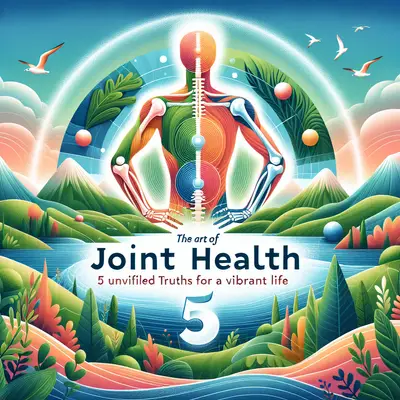
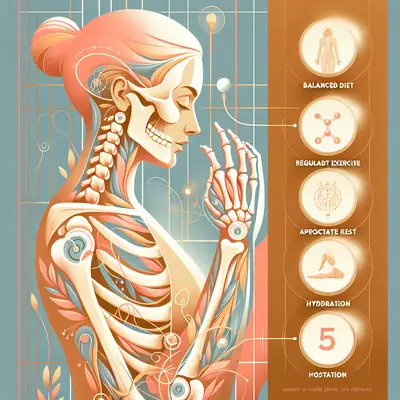
Below are five exclusive, joint‑focused insights to guide anyone who is watching this celebrity weight‑loss moment and wondering what a truly sophisticated, body‑literate approach should look like.
1. The “Red Carpet Reveal” Effect: Why Joints Dislike Extreme Timelines
When a public figure like Melissa McCarthy appears suddenly transformed, the public often assumes that faster is better. Your joints, however, operate on a very different clock. Cartilage, tendons, and ligaments adapt slowly; they remodel in response to load over months and years, not weeks. When body weight changes rapidly—especially without structured strength training—the supporting tissues can be caught off guard.
A swift 20–50 pound loss can alter gait patterns, posture, and the distribution of forces across the knees and hips. If your muscles are not concurrently being strengthened, your joints may end up more vulnerable, not less. The result can be a paradoxical uptick in knee pain, plantar fasciitis, hip irritation, and low back strain right when the scale suggests you should be feeling better. The refined approach: aim for a pace of loss that allows time for strength, alignment, and motor patterns to evolve in step with the changing body. In joint‑centric terms, a “slow burn” is not failure—it is protection.
2. GLP‑1 Medications And Muscle: The Silent Variable That Shapes Joint Futures
As GLP‑1 medications like Ozempic, Wegovy, and Mounjaro dominate wellness conversations, one nuance remains under‑discussed in mainstream coverage: what exactly are you losing? Studies and clinical observations suggest that a meaningful portion of weight lost on these drugs can be lean mass—muscle—unless resistance training and adequate protein intake are deliberately prioritized.
For joints, muscle is not cosmetic; it is architecture. Quadriceps stabilize the knee, gluteals protect the hips and spine, and a strong calf complex safeguards the ankle and foot. Lose muscle precipitously, and each step transfers more shock directly into cartilage and subchondral bone. For anyone pursuing medically managed weight loss—celebrity or not—the sophisticated upgrade is clear: insist on a joint‑protected protocol. This means a structured strength program (ideally guided), protein targets appropriate to body size and age, and regular reassessment of functional strength, not just body weight. The true luxury metric in rapid weight loss isn’t “pounds down”; it’s “function preserved.”
3. The Elegance Of Controlled Load: Why Walking Alone Is No Longer Enough
After every high‑profile weight‑loss reveal, walking often becomes the default recommendation—accessible, low equipment, and social‑media friendly. For joint longevity, walking is excellent, but incomplete. It provides repetitive, low‑to‑moderate load in a single plane of movement. Joints, particularly those that already carry a history of arthritis or stiffness, need more varied and intentional loading to age gracefully.
Controlled load—through resistance bands, cables, free weights, or even bodyweight exercises—is what teaches connective tissue to be both strong and supple. It encourages better cartilage nutrition via joint fluid circulation and maintains bone density that might otherwise decline with rapid weight loss. A joint‑savvy routine after or during weight reduction should therefore include: multi‑directional hip work (side steps, clamshells, hip abductions), controlled knee flexion and extension (sit‑to‑stands, step‑ups), and targeted ankle stability (heel raises, balance drills). Think of walking as your base layer. Resistance training is the tailored overcoat that makes the entire silhouette stable, not just slimmer.
4. Quiet Inflammation, Quiet Joints: Why Anti‑Inflammatory Rituals Matter More Than Ever
Public discourse around rapid body changes tends to focus on appearance and calories, leaving inflammation conspicuously under‑addressed. Yet for joints, systemic inflammation is often the difference between “lighter and liberated” and “lighter and still aching.” Rapid shifts in diet—especially highly processed, low‑fiber approaches—can destabilize the gut microbiome and, in turn, heighten inflammatory pathways that sensitize joints.
This is where a truly premium approach to weight loss diverges from fad culture. Instead of viewing food purely as fuel or restriction, it becomes a daily anti‑inflammatory ritual. Emphasize deeply colored produce (berries, leafy greens, purple cabbage), omega‑3‑rich foods (fatty fish, walnuts, ground flaxseed), and spices with strong evidence for joint benefit (turmeric with black pepper, ginger). Pair that with consistent sleep and moderated alcohol intake—two quiet, powerful levers for inflammation—and you build an internal environment that allows your joints to take full advantage of the mechanical relief that weight loss can provide. Inflammation is the background noise of modern life; an elegant joint‑health plan keeps it hushed.
5. Protect The “Living Cushion”: Skin, Soft Tissue, And The Post‑Weight‑Loss Body
The visual narrative around dramatic weight loss tends to stop at clothing size and facial contour, as we’ve seen in the reaction to Melissa McCarthy’s appearance. Behind the scenes, however, your joints depend heavily on what might be called your “living cushion”: the fascia, soft tissue, and even small amounts of strategic fat that influence how force travels through your body.
Lose weight too rapidly and you may experience increased bony prominence, less soft‑tissue padding around the knees and hips, and subtle changes in how you sit, lie, and move. For some, this can mean new pressure points, discomfort in kneeling or side‑lying positions, or increased susceptibility to bursitis. The refined response is not to fear weight loss but to curate comfort around it. This can include using supportive, pressure‑relieving surfaces (a higher‑quality mattress or seat cushion), choosing footwear with thoughtful cushioning and stability, incorporating regular soft‑tissue care (foam rolling, massage, gentle mobility work), and revisiting how you sit at work or during travel. In other words, as your silhouette changes, your environment should evolve alongside it.
Conclusion
Celebrity transformations like Melissa McCarthy’s will continue to dominate feeds, spark curiosity, and fuel speculation about shortcuts. Yet behind every dramatic reveal lies a quieter, more enduring story: how well the body’s structural and supportive systems—especially the joints—are being cared for during that transformation.
Joint‑smart weight loss is not about chasing the fastest possible change; it is about orchestrating a change that your tissues can respect, your inflammation levels can tolerate, and your future self can inhabit with ease. In a culture obsessed with before‑and‑after images, the most luxurious health decision you can make is to prioritize how your body feels in motion, not just how it appears on camera.
If you are contemplating your own transformation in this moment of intense public focus on weight loss, let your joints have a vote. Their quiet preferences—slow, strong, nourished, and well‑supported—are the ones that will determine how gracefully you move through the years to come.
Key Takeaway
The most important thing to remember from this article is that this information can change how you think about Healthy Living.