When a global star like Ariana Grande is described by a family member as “not in a healthy place,” it becomes more than celebrity gossip—it becomes a cultural mirror. In recent days, coverage of her reported health struggles has focused heavily on appearance, weight, and online criticism, while the deeper reality of living in a body under strain has been largely overlooked. For anyone managing arthritis, this dynamic feels painfully familiar: people see how you look, not how you feel.
At Joint Health Living, we view stories like Grande’s not as spectacle, but as a lens on something profoundly relevant right now: what it means to manage a chronic condition in a world obsessed with optics, speed, and performance. Whether or not you live life on a stage, the pressure to appear “fine” while your body tells a very different story is a quiet, daily negotiation.
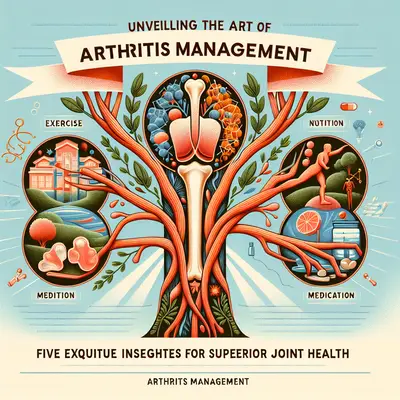
Below, we explore five refined, real‑world insights for arthritis management—drawn from the same forces currently playing out in the headlines. Think of this as a premium, reality‑anchored guide to caring for your joints when the world expects you to keep performing.
1. The “Performance Body” Trap: Separating How You Look From How You Move
Recent commentary around Ariana Grande has once again revealed a familiar cultural reflex: when someone’s health is mentioned, conversation pivots almost instantly to body shape, size, and aesthetics. For people living with arthritis, this same confusion can become deeply damaging. You may look “well” in a photo while silently navigating morning stiffness, swelling, or fatigue that borders on disabling.
A sophisticated arthritis strategy begins by refusing to make appearance the primary metric of wellness. Instead, curate your own performance indicators: how easily you descend a flight of stairs at 4 p.m., how long your hands tolerate typing before aching, how your joints respond after social evenings or travel. These quiet, functional benchmarks are more clinically honest—and more actionable—than any mirror. Capture them elegantly: a slim notebook by your bedside, a minimalist tracking app, or a simple weekly voice memo. Over time, these become your personal “set list” of how your body truly performs, far beyond what anyone sees on a screen.
2. Curating Your “Inner Circle” of Health Voices—The Way Celebrities Curate Teams
Behind every major artist is a carefully constructed team: publicists, stylists, vocal coaches, trainers, nutrition experts. When someone like Grande’s relative speaks publicly about her health, it reminds us that the people around you shape not only your choices, but your narrative. Arthritis management deserves the same level of intentional curation.
Instead of passively collecting opinions—from relatives, social media, or casual acquaintances—build a deliberate inner circle. At minimum, this might include a rheumatologist you trust, a primary care physician who understands your broader health, and one movement specialist: a physical therapist, Pilates instructor, or yoga teacher versed in joint‑protective techniques. Then add one more, often overlooked: a person in your life who consistently believes your pain the first time you describe it. This is your emotional “publicist,” someone who helps you protect your story from being rewritten as “you’re fine” or “you’re overreacting.”
The premium move is to periodically review this circle. If a clinician minimizes your symptoms, or a friend consistently makes jokes about your “dramatic knees,” quietly demote their influence. Your joints deserve a team as intentionally assembled as any world‑tour entourage.
3. Redefining “Struggling” as Data, Not Failure
In the coverage of Grande’s situation, the word “struggling” surfaces repeatedly—softly sympathetic, but often vague. For those with arthritis, “I’m struggling” can mean wildly different things: a day of elevated inflammation, a flare following travel, a failed medication, or simply the accumulation of countless micro‑compromises (skipping social events, modifying outfits, avoiding stairs).
To manage arthritis with finesse, translate “struggling” into data rather than self‑judgment. Did your joints protest after two consecutive late nights? Note that pattern. Does your pain scale shift after stressful weeks when your sleep declines? Capture the linkage. The goal isn’t to dramatize your symptoms; it’s to refine your awareness so that “I’m struggling” becomes “Here is precisely how my body is reacting right now, and here are three levers I know actually help.”
This approach is timely in a culture that loves vague concern but resists concrete change. The more clearly you can define your personal arthritis triggers—sodium, poor sleep, cold weather, alcohol, overtraining—the easier it becomes to negotiate your schedule, communicate with loved ones, and collaborate with your care team. Struggle, seen this way, is not a verdict. It’s a briefing.
4. Crafting a Private Recovery Ritual in a Hyper‑Public World
One striking element of Ariana Grande’s current media moment is the mismatch between public scrutiny and private process. While headlines debate what is “really” happening, the true work—medical appointments, rest, recalibrating routines—plays out offstage. Arthritis management is similar: the most meaningful decisions are made quietly, in kitchens, bathrooms, bedrooms, and waiting rooms, not on feeds.
A refined arthritis lifestyle includes elegantly designed recovery rituals that no one else ever needs to see. Perhaps it’s a nightly sequence: magnesium‑rich bath, five minutes of joint‑friendly stretching, a curated sleep routine with a perfectly weighted duvet and supportive pillow. Or a Sunday reset: low‑inflammation meal prep, medication refills organized into a sleek pill case, and a gentle walk instead of a punishing workout.
These rituals are not indulgences; they are your “backstage crew,” ensuring you can participate in the visible parts of life with as little pain as possible. In a season when celebrity health is dissected in pixels and comment threads, reclaim the luxury of privacy: let your most powerful arthritis interventions be quiet, consistent, and profoundly your own.
5. Choosing a Narrative of Agency, Not Spectacle
The current conversation around Ariana Grande’s well‑being exposes a larger tension of our era: when health becomes a spectacle, we risk losing the voice of the person actually living inside that body. The same risk exists for arthritis, particularly when others reduce your experience to stereotypes—“old age,” “bad weather,” “just take something for it.”
Crafting a premium approach to arthritis means authoring your own narrative of agency. That might look like requesting specific lab work or imaging when your symptoms shift, instead of passively waiting. It could mean asking more sophisticated questions about your treatment plan: combination therapies, timing of medications around your day, or the realistic role of weight, nutrition, and stress in your personal case—not the internet’s generic version.
Agency also shows up in small, exquisitely practical choices: arranging meetings with five minutes of buffer so you can stretch between them, selecting footwear that quietly supports joints without broadcasting “orthopedic,” or deciding, with intention, which social invitations are worth the next‑day discomfort. You are not the supporting character in a dramatic story about “that person with arthritis.” You are the editor‑in‑chief of how your condition fits into your life—emphasis on your.
Conclusion
As headlines swirl around Ariana Grande’s health, we’re reminded that the intersection of body, performance, and public expectation is more complex than any single article can capture. For those living with arthritis, that complexity is not theoretical; it is the fabric of daily life.
By separating appearance from function, curating a powerful inner circle, redefining “struggling” as actionable data, cultivating private recovery rituals, and reclaiming narrative agency, you create something far more valuable than fleeting wellness trends: a stable, elegant framework for living well in the body you have right now.
The world may continue to react loudly to visible changes in celebrity health. Your task is quieter—and infinitely more refined: to listen closely to your joints, respond with intelligence rather than impulse, and build a life in which your health story is written by no one but you.
Key Takeaway
The most important thing to remember from this article is that this information can change how you think about Arthritis Management.