In a world saturated with doom‑scrolling and sedentary habits, the announcement of the 2025 Nature Photographer of the Year winners has done something quietly radical: it has made people stop, stare, and feel movement again. The winning images—icy ridgelines, migrating herds, a lone fox mid‑stride on a snowy plain—aren’t just pretty pictures. They are a masterclass in biomechanics, patience, and respectful endurance. Exactly the qualities that matter when you are living with arthritis and determined not to surrender elegance of movement to pain.
As the winning photographs circulate across social media and global press, they invite an unexpected question: what if we approached our joints the way these photographers approach the wild—deliberately, attentively, and with a deep respect for natural limits? For those navigating osteoarthritis, rheumatoid arthritis, or early joint discomfort, this year’s images offer more than inspiration. They offer a refined framework for how to move, train, and protect your joints in a way that feels less clinical—and more like living art.
Below, five exclusive, quietly powerful insights drawn from the ethos behind Nature Photographer of the Year 2025—and how to translate them into graceful, modern arthritis management.
1. The Photographer’s Pace: Trading “More” For “Precisely Enough”
Nature photographers camp for hours to capture a single frame. They do not sprint from location to location; they move deliberately, conserving energy for the exact moment that matters. Arthritis management benefits from the same discipline. Instead of heroic, once‑a‑week bursts of exercise that leave your joints inflamed, the goal is precise, repeatable, low‑drama movement performed daily.
Think of your routine as a carefully planned shoot rather than a random walk. A 20‑minute session that alternates controlled strength work (like slow bodyweight squats to a chair or light resistance band rows) with joint‑friendly mobility (ankle circles, gentle hip openers, thoracic rotations) delivers far more benefit than sporadic, high‑impact efforts. Timeliness matters, too: brief movement “micro‑sessions” stitched through your day—3 minutes every hour—often regulate pain and stiffness better than one intense block. The art lies in learning your joint’s “exposure settings”: the volume, intensity, and frequency that challenge your tissues while still allowing recovery. A good rule of refinement: you should feel subtly better 30–60 minutes after movement, not punished.
2. Reading The Landscape: Using “Joint Forecasting” To Prevent Flare‑Ups
The best nature photographers don’t fight the weather; they read it. They monitor barometric pressure, light angles, wind direction, and adjust in advance. People with arthritis can cultivate the same predictive sophistication—what you might call “joint forecasting.”
Instead of merely rating pain from 0 to 10, begin tracking three understated but highly predictive signals each day: morning stiffness duration, sleep quality, and post‑activity “echo” (how your joints feel 2–4 hours after a walk, workout, or long meeting). Record them in a minimalist note or app. Over a few weeks, patterns often emerge: for example, a poor night’s sleep plus cold, damp weather might reliably precede a flare, or your knees may protest the day after long flights or intense social events.
Once you can read your personal forecast, you can adjust with the subtlety of a seasoned professional: slightly shorter walks on impending “bad” days, more emphasis on range‑of‑motion work when temperatures drop, or pre‑emptive use of physician‑approved topical NSAIDs before known triggers like long car rides. This isn’t hyper‑vigilance; it’s refined responsiveness—less reacting, more anticipating, much like repositioning a tripod because you see the clouds, not because the rain has already started.
3. The Tripod Principle: Building A Three‑Point Support System Around Each Joint
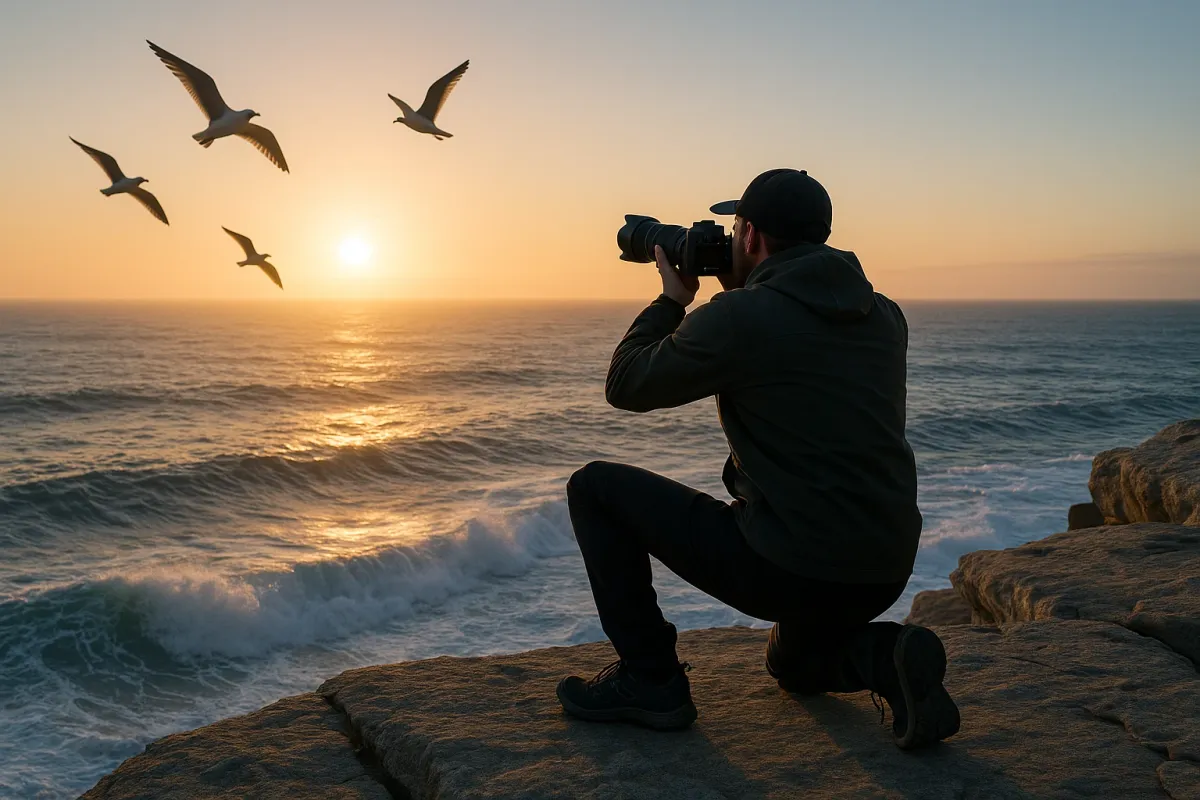
Every winning wildlife image owes its sharpness to one thing: stability. Whether it’s a massive tripod or a rock used as an improvised support, nothing extraordinary is captured with a shaking hand. Your joints demand an equally intentional support system—a biomechanical “tripod” of muscle strength, alignment, and load management.
For an arthritic knee, for instance, the muscular leg of the tripod includes quadriceps strength (especially the inner quad), hamstring endurance, and hip stabilizers like the gluteus medius. The alignment leg demands attention to foot mechanics (are you collapsing inward?), hip rotation, and even subtle pelvic positioning; a skilled physical therapist or sports medicine specialist can identify and correct micro‑misalignments that quietly grind cartilage over time. The load‑management leg concerns the weight you’re asking that joint to bear—your overall body weight, the type of surfaces you walk on, the shoes you choose, and the frequency of impact sports.
The premium approach is not to obsess over any single element, but to refine all three in quiet harmony. That might look like: a tailored strength routine twice weekly, a professional gait analysis with custom or semi‑custom insoles if needed, and a considered shift toward low‑impact options like cycling, elliptical, or water‑based training on days when your “forecast” predicts higher stress. When your tripod is stable, your joints can handle far more life.
4. Light, Contrast, and Recovery: Designing A Daily “Rest Architecture”
In photography, light is everything. The same landscape can look harsh or transcendent depending on how it is lit. In arthritis, recovery is your light—subtle, omnipresent, and capable of transforming the exact same activities into either inflammation or resilience.
Rather than thinking of rest as the absence of movement, treat it as carefully composed active recovery. That might mean swapping passive couch time for 10 minutes of floor‑based, joint‑centric mobility before bed, or a warm Epsom salt bath followed by gentle self‑massage around (not directly on) sore joints. It may also mean disciplined “contrast” work: alternating heat and brief cold exposure as recommended by your clinician to modulate blood flow and reduce swelling.
Sleep, of course, is the unedited RAW file of recovery. Patients with arthritis who protect 7.5–9 hours of high‑quality, relatively consistent sleep often report dramatically less pain—not because their joints have changed overnight, but because their nervous system’s perception of pain has softened. Practical luxuries like a supportive, medium‑firm mattress, a cooling but pressure‑relieving pillow, and a pre‑sleep ritual that avoids blue light for 30–60 minutes can be as powerful as a new medication. If you can, treat your evening like a photographer treats golden hour: non‑negotiable, protected, and intentionally calm.
5. Curating Your Environment: Joint‑Smart Spaces Inspired By The Field
Look closely at behind‑the‑scenes footage from Nature Photographer of the Year finalists, and you see something telling: nothing in their setup is accidental. Every strap, lens, and layer of clothing serves a purpose in often unforgiving environments. The same philosophy can transform how your home, office, and even wardrobe support arthritic joints.
Begin with “pathways,” not furniture. Are the routes you walk dozens of times a day—bed to bathroom, desk to kitchen, living room to entryway—free of small trip hazards, awkward steps, or low coffee tables that require twisting around? Thoughtful rearrangement can remove dozens of micro‑stresses on hips, knees, and ankles each week. In the kitchen, place frequently used, heavier items (cast‑iron pans, blenders) between shoulder and mid‑thigh height to avoid repetitive, loaded reaching or crouching.
Wardrobe matters more than most people admit. A refined arthritis‑friendly closet prioritizes joint‑neutral shoe design (stable midfoot, modest heel‑to‑toe drop, cushioned but not marshmallow‑soft soles) and clothing that doesn’t require strenuous overhead reaching or intricate fastenings on painful mornings. At your desk, consider a subtly adjustable chair, a footrest if your feet dangle, and an elevated laptop or monitor to keep your neck and thoracic spine pleasantly aligned—every degree of slouch magnifies load across your spine and, indirectly, your peripheral joints.
Curating your environment this way is not about fragility; it’s about reducing background “noise” on your joints so you can save your strength—and your steps—for the experiences that truly matter.
Conclusion
The global conversation around Nature Photographer of the Year 2025 is, on the surface, about beauty: snow‑dusted ridges, precise wings in flight, the quiet tension of a predator watching its prey. But beneath the applause lies a deeper lesson for anyone living with arthritis. Excellence in the wild is built on restraint, preparation, respect for limits, and a reverence for small adjustments made over time.
Your joints deserve the same level of artistry. When you align your pace, forecasting, support structures, recovery habits, and environment with the subtlety of a seasoned photographer in the field, arthritis stops being a daily emergency and becomes a finely managed condition—one that can coexist with travel, creativity, and a rich, fully inhabited life.
You may not be chasing auroras across Arctic skies, but every pain‑reduced step you take through your own world is its own kind of award‑winning image—seen first and most intimately by you.
Key Takeaway
The most important thing to remember from this article is that this information can change how you think about Arthritis Management.