The internet is endlessly fascinated with what we see—from AI‑perfected Disney characters to breathtaking Northern Lights and award‑winning wildlife photography. Yet quietly, another story is unfolding behind every luminous screen and perfectly framed shot: we are sitting more, moving less, and asking our joints to pay the price for our stillness.
Scroll through today’s trending headlines and you’ll find millions flocking to visual escapism—Nature inFocus photography winners, AI‑rendered realities, cinematic Northern Lights. They all celebrate landscapes and bodies in motion, while many of us consume them from a chair we’ve barely left in hours. This disconnect between what we admire and how we actually live is becoming one of the most under‑discussed health tensions of our time.
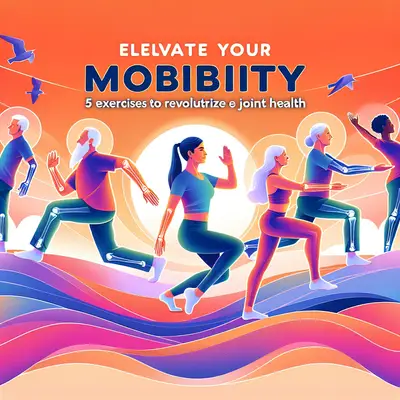
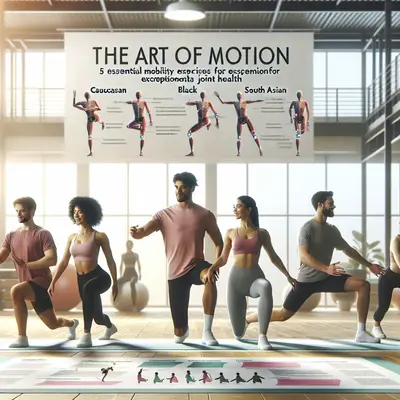
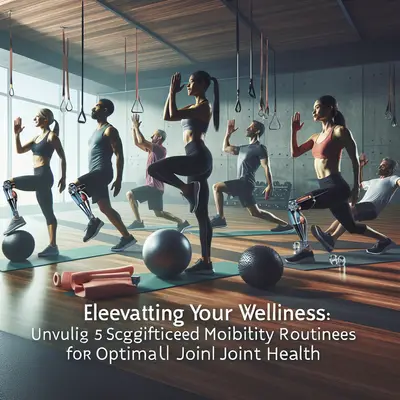
Below, you’ll find five refined, research‑aligned mobility insights designed for people who care deeply about joint health, longevity, and a life that feels as fluid as it looks on screen.
1. The “Cinematic Posture” Problem: How Screens Quietly Reshape Your Joints
Our devices are engineered to hold our attention; our joints were never designed to hold one position for hours. Long reading sessions, streaming marathons, or scrolling through stunning photography keep the eyes delighted while the spine, hips, and knees quietly settle into stiffness. This is sometimes called “creep”—the gradual deformation of soft tissues held in a static position.
The modern pattern is precise and consistent: rounded shoulders, forward head, flexed hips, and knees bent to roughly 90 degrees. Over time, this posture teaches your body that this is the “new normal.” The result? Reduced hip extension, an increasingly rigid thoracic spine, and knees that feel shocked every time you stand and walk. To counter this, think of posture not as a frozen ideal but as an ongoing choreography. Every 30–45 minutes, deliberately cycle through three positions: tall sit, stand, and slow walk. Each transition is a micro‑mobilization for your joints—subtle, but cumulatively powerful.
A premium approach to joint health does not reject screens; it simply insists on pairing them with conscious, regular movement. Your feed can remain digital; your body must remain analog.
2. Luxurious, Not Extreme: Why “Low‑Drama” Mobility Wins Over Time
In an age of viral fitness challenges and intense transformation stories, gentle mobility work is often dismissed as too subtle to matter. Yet for joint longevity, the opposite is true. Cartilage, joint capsules, and the smaller stabilizing muscles respond exquisitely to consistent, calm loading—not heroic efforts.
Think of your mobility ritual as skincare for your joints: done daily, rarely dramatic, and quietly cumulative. Slow controlled circles at the ankles and wrists, graceful neck rotations within a comfortable range, and unhurried cat‑camel movements for the spine nourish synovial fluid, maintain capsular flexibility, and signal to the nervous system that movement is safe. This low‑drama input reduces the background “threat level” your brain associates with motion, often easing stiffness more effectively than occasional intense stretching.
The sophisticated choice is not between “hardcore workout” and “doing nothing.” It is between ignoring your joints until they protest, or indulging them with daily, almost meditative mobility that keeps pain from becoming the main character in your life.
3. The Hip–Ankle Alliance: Your Knees Are Just the Messenger
Many people first notice discomfort in the knees, then respond by obsessively stretching or icing them while leaving the real culprits untouched. In refined movement science, the knee is often described as a “middle manager” caught between two powerful executives: the hip and the ankle.
When hips are stiff—especially in extension and rotation—the knee is forced to twist and torque to compensate during walking, stairs, and even sitting down and standing up. When ankles lack dorsiflexion (the ability to bend forward), the knee again over‑bends or rotates to help you achieve basic tasks like squatting, getting in and out of a car, or descending a slope. Your knees are rarely the original problem; they’re the bearer of bad news.
A premium joint‑care protocol always includes hip and ankle mobility:
- Elegant hip circles, controlled leg raises, and figure‑four stretch variations to restore rotation and extension.
- Ankle dorsiflexion drills using a wall or step, gentle calf raises, and slow, deliberate heel‑to‑toe walking.
Addressing this hip–ankle alliance transforms mobility work from symptom chasing into sophisticated systems thinking. Your knees will often respond with quiet gratitude.
4. Micro‑Rituals of Movement: Turning Ordinary Moments Into Joint Care
If the Nature inFocus photography awards remind us of anything, it’s that small, well‑timed movements—of animals, light, water, wind—create extraordinary frames. Your day is no different. Instead of waiting for a 60‑minute workout that may never quite fit into your schedule, scatter mobility into the seams of your routine.
Consider these understated but potent micro‑rituals:
- While your coffee brews: perform gentle spinal rotations and side bends, keeping the movement smooth and unforced.
- During loading screens, downloads, or ads: practice ankle circles, seated knee extensions, or gentle heel raises at your desk.
- Before bed, instead of a final doom‑scroll: a five‑minute floor sequence focusing on hip openers and diaphragm‑guided breathing.
Each micro‑ritual is intentionally brief, so resistance stays low and adherence stays high. Over weeks and months, they accumulate into a lifestyle where stiffness no longer feels like an inevitable tax on productivity, but a solvable design issue in your day.
5. Nervous System Luxury: Why Your Joints Crave Calm as Much as Motion
Most conversations about mobility fixate on muscles and joints, yet the true gatekeeper of your movement is your nervous system. When it perceives threat—through pain, poor sleep, or constant stress—it often responds by tightening tissues and limiting your range of motion to keep you “safe.” What feels like a “tight hamstring” is frequently a cautious brain.
A refined mobility practice therefore includes nervous‑system‑aware elements: exhalation‑focused breathing, slow tempo, and an absence of rush or strain. For example, pairing each gentle stretch with a long, unforced exhale signals safety to the brain. Rocking movements (such as child’s pose with subtle forward‑backward rocking) can be soothing to the vestibular system, encouraging muscles to let go of unnecessary tension.
Think of this as luxury for your internal wiring: a calm, attentive environment in which your joints are invited—not forced—to move more freely. The result is not only better mobility, but a body that feels less braced against its own daily life.
Conclusion
In a world captivated by spectacular images—from AI‑reimagined characters to luminous skies over Arctic landscapes—our own daily movement can seem unimpressive by comparison. Yet for your joints, it’s these unglamorous, consistent, and exquisitely intentional motions that determine whether the simple act of standing, walking, or climbing stairs will feel effortless at 60, 70, and beyond.
Elegant joint care is not about perfection, nor about rejecting the digital realities we inhabit. It is about weaving intelligent, soothing, and targeted mobility into the life you already live. Let the world remain mesmerized by distant beauty; your quiet revolution is closer: in your hips as you stand, in your spine as you breathe, and in every joint that remembers how it feels to move with ease rather than obligation.
Key Takeaway
The most important thing to remember from this article is that this information can change how you think about Mobility Exercises.